

Juan Pedro Domecq Iberian Ham: A Legacy Written in Acorns
There are products that simply ask to be eaten, and there are products that ask to be understood first. Juan Pedro Domecq's 100% Iberian Bellota Ham (Pata Negra) is firmly in the second category. To hold a slice of it is to hold three centuries of family knowledge, a rare breed of pig, and the particular flavour of the Spanish countryside in your hands.
The Domecq family arrived in western Andalusia from France in 1730, settling into a region already famous for its sherry and brandy production. That same instinct for fermentation and patience, and the understanding that truly great things cannot be hurried, was eventually turned toward the land's other great gift: the Iberian pig. In 1970, Juan Pedro Domecq Solís began raising 100% Iberian pigs on his Lo Álvaro farm in Seville, with an ambition that went beyond simply producing ham. Working in collaboration with Spanish universities, he set out to identify and preserve the finest breed possible for the task.
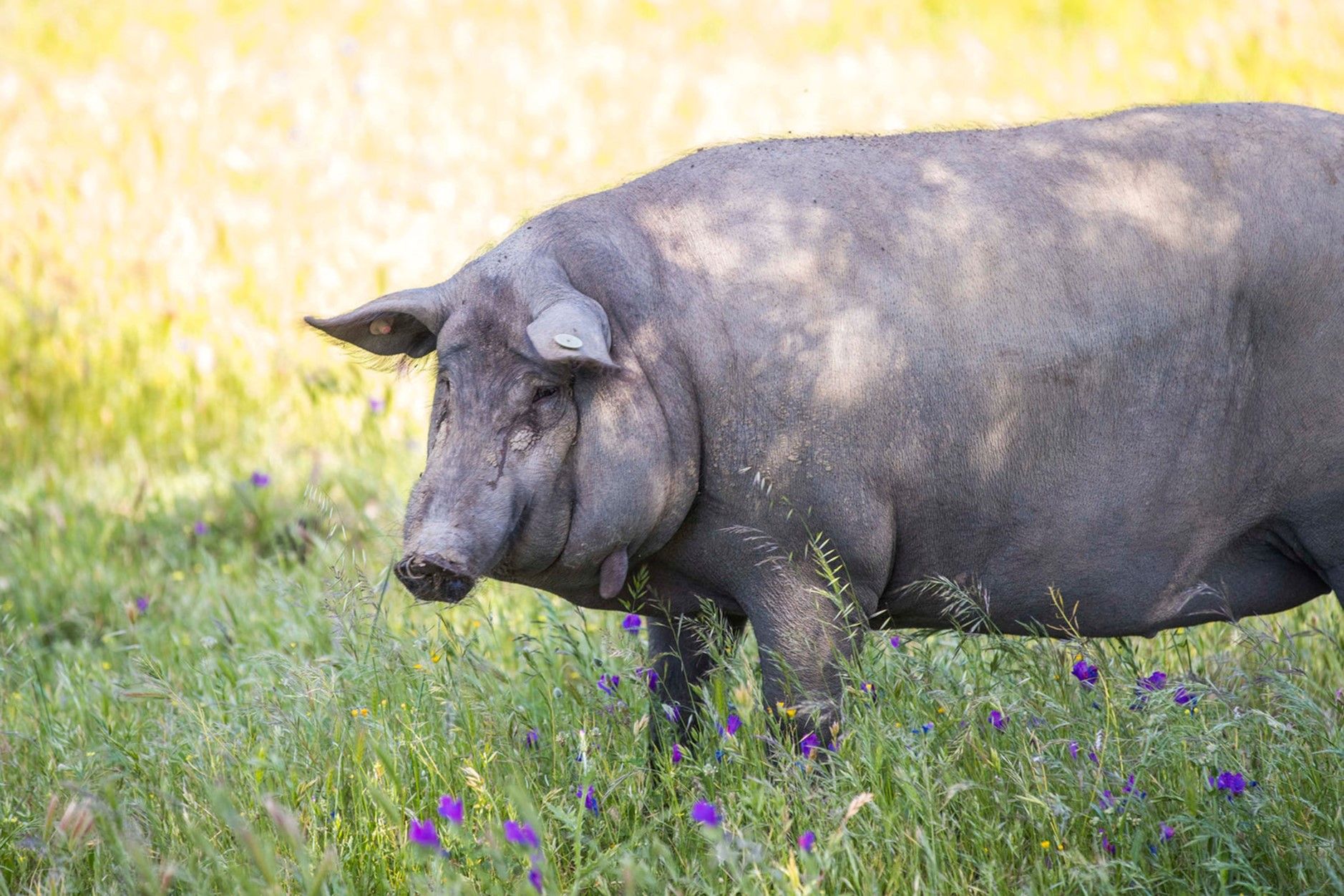
The result was a dedication to the lampiño-marmellado, a rare, almost extinct variety of 100% purebred Iberian pig, distinguished by its dark, hairless coat, slender legs, and the distinctive fleshy appendages at its neck known as mamellas. As a geneticist as much as a farmer, Domecq recognised what others had overlooked: this breed possesses an extraordinary ability to absorb and infiltrate fat, converting the acorns it grazes on into the deeply marbled, nutty richness that defines world-class jamón. Today, the family breeds this variety almost exclusively.
.jpg)
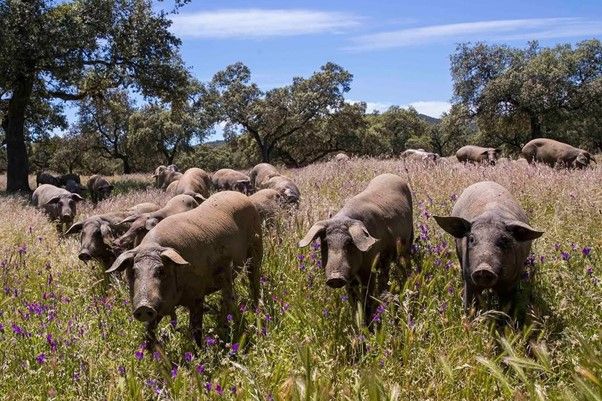
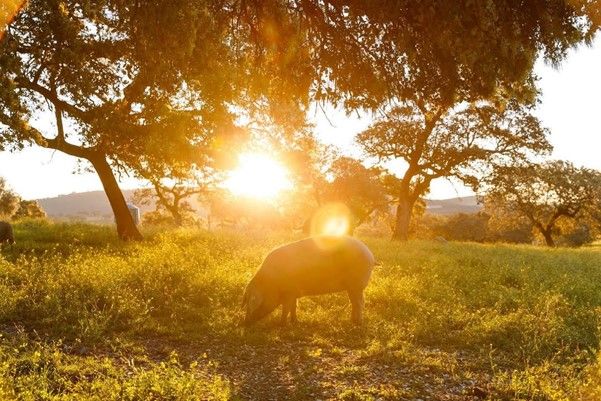
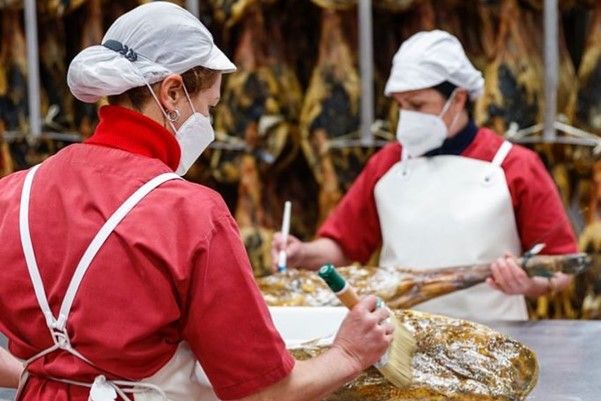
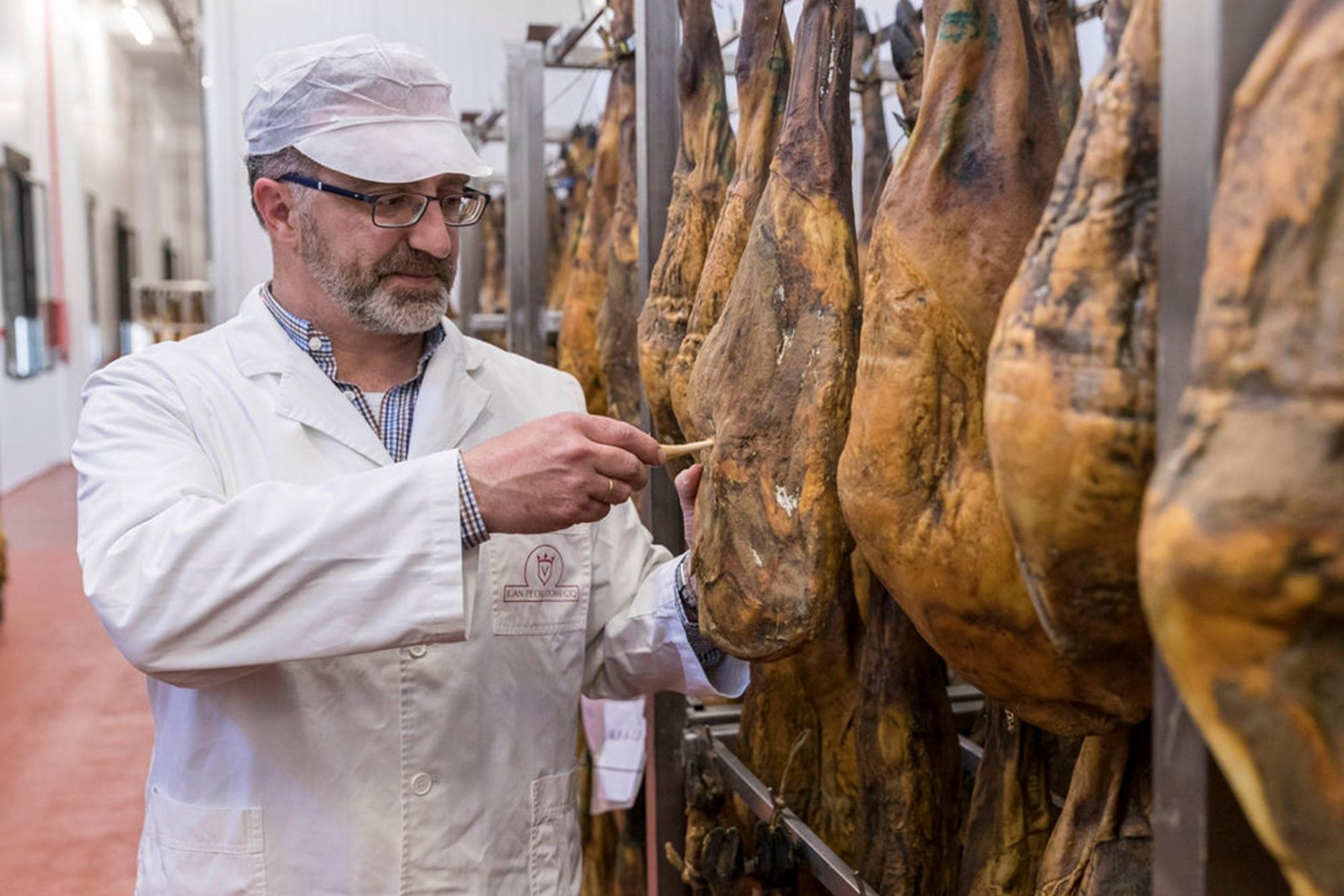
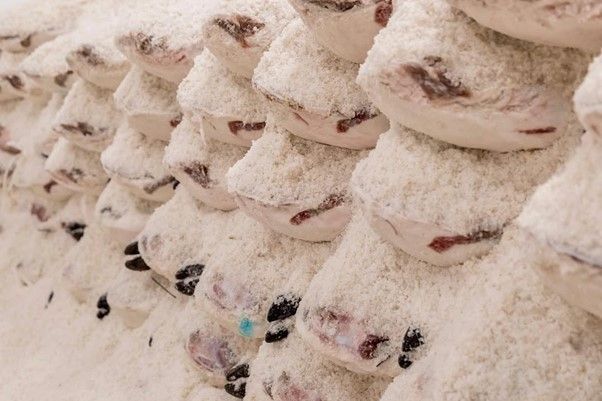
The pigs roam freely across the dehesa, the ancient oak pasturelands of the Sierra de Huelva, thirty minutes from the storied town of Jabugo. During the montanera, the seasonal acorn harvest, the pigs feast on fallen bellota acorns, building the intramuscular fat that gives the finished ham its characteristic sweetness and depth. When the time comes, the hams are transferred to Cortegana in the Sierra de Jabugo, where they are cured and air-dried for a minimum of 42 months. The mountain air does much of the work here. It is slow, patient and unhurried.
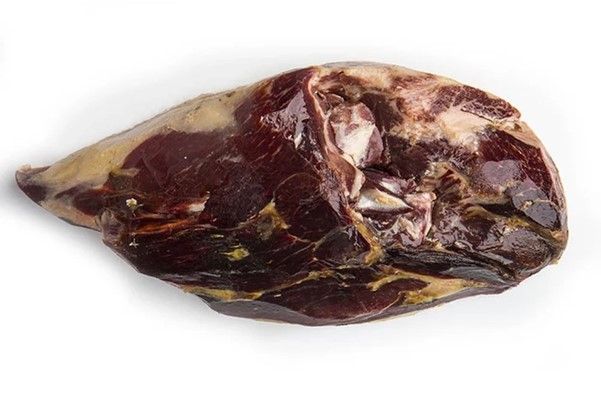
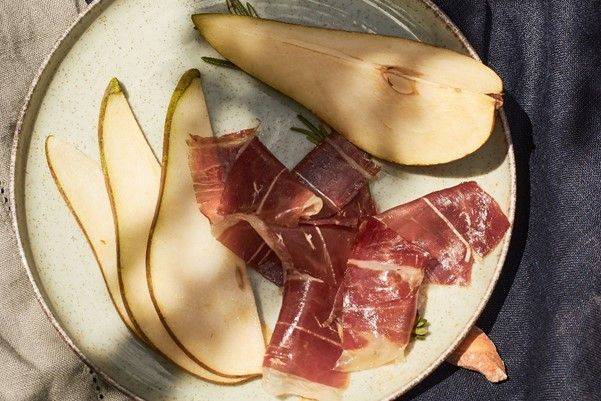
What emerges from this process is a ham of remarkable complexity. The flavour is intensely nutty and sweet, with long umami finish and a fat that melts almost immediately on the palate. There is no sharpness, no excess salt, just a clean, rounded richness that lingers. It is the kind of ham that rewards being eaten slowly, sliced paper-thin, at room temperature, with little more than good bread alongside it.
.jpg)
The recognition has followed accordingly. The Pata Negra from Juan Pedro Domecq has been awarded three stars at the Great Taste Awards (the highest possible score) on multiple occasions, and has taken out the title of best Iberian acorn-fed ham at that competition six times. It is served by Michelin-starred chefs across Spain and internationally, where it functions not merely as an ingredient but as a statement.
In 2000, Juan Pedro's son, Juan Pedro Domecq Morenés, joined the business and helped bring the product to international markets. Today, only six to seven thousand hams and an equivalent number of shoulders are produced each year, a deliberately small output that keeps quality absolute and traceability total. Almost seventy percent are exported, appearing in the finest gourmet shops and restaurants from Madrid to Melbourne.
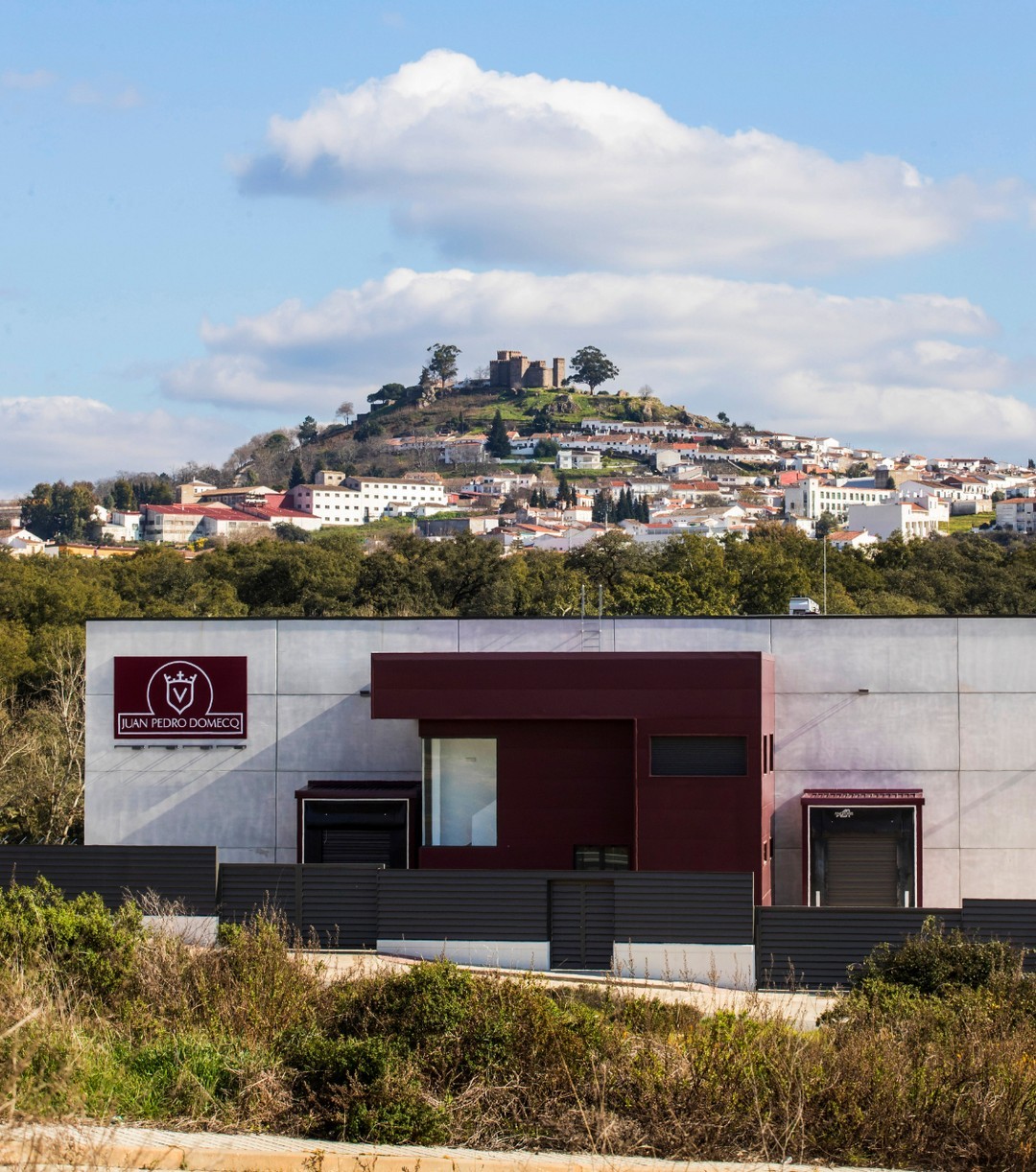
For Savour and Grace, Juan Pedro Domecq represents everything we look for in a producer: an uncompromising relationship with the land, a depth of knowledge that spans generations, and a product that genuinely cannot be replicated elsewhere. Serve it thinly sliced on its own or alongside Manchego and a glass of fino sherry. Let it be the centrepiece, because it has earned that position.
This is ham as it was always meant to be;
Slow, Rare and Extraordinary.